A visual expression, algorithms can’t create.
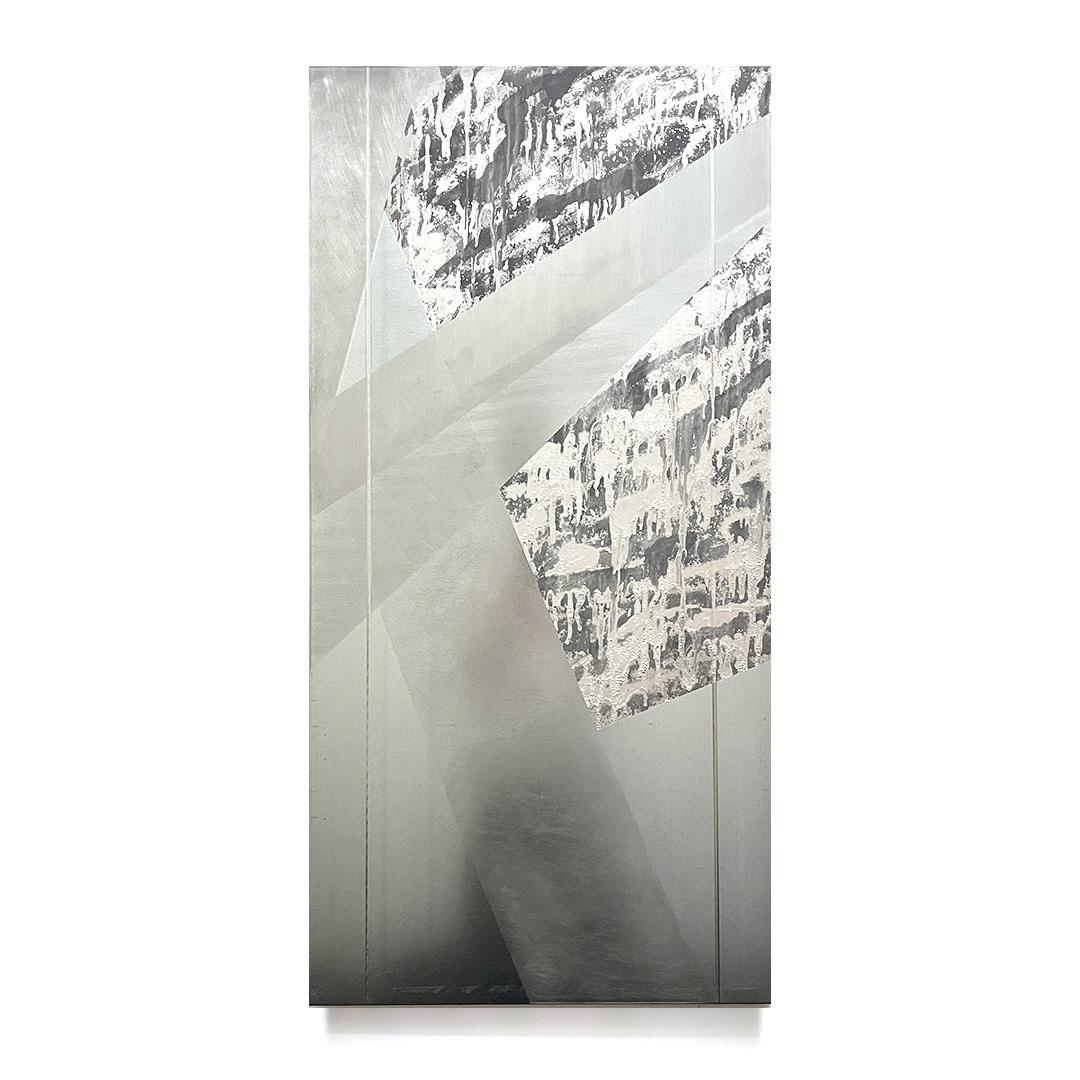
Abu Dhabi/Abū Ẓabī, 100cm x 50cm, spray paint on partially sanded steel, 2024
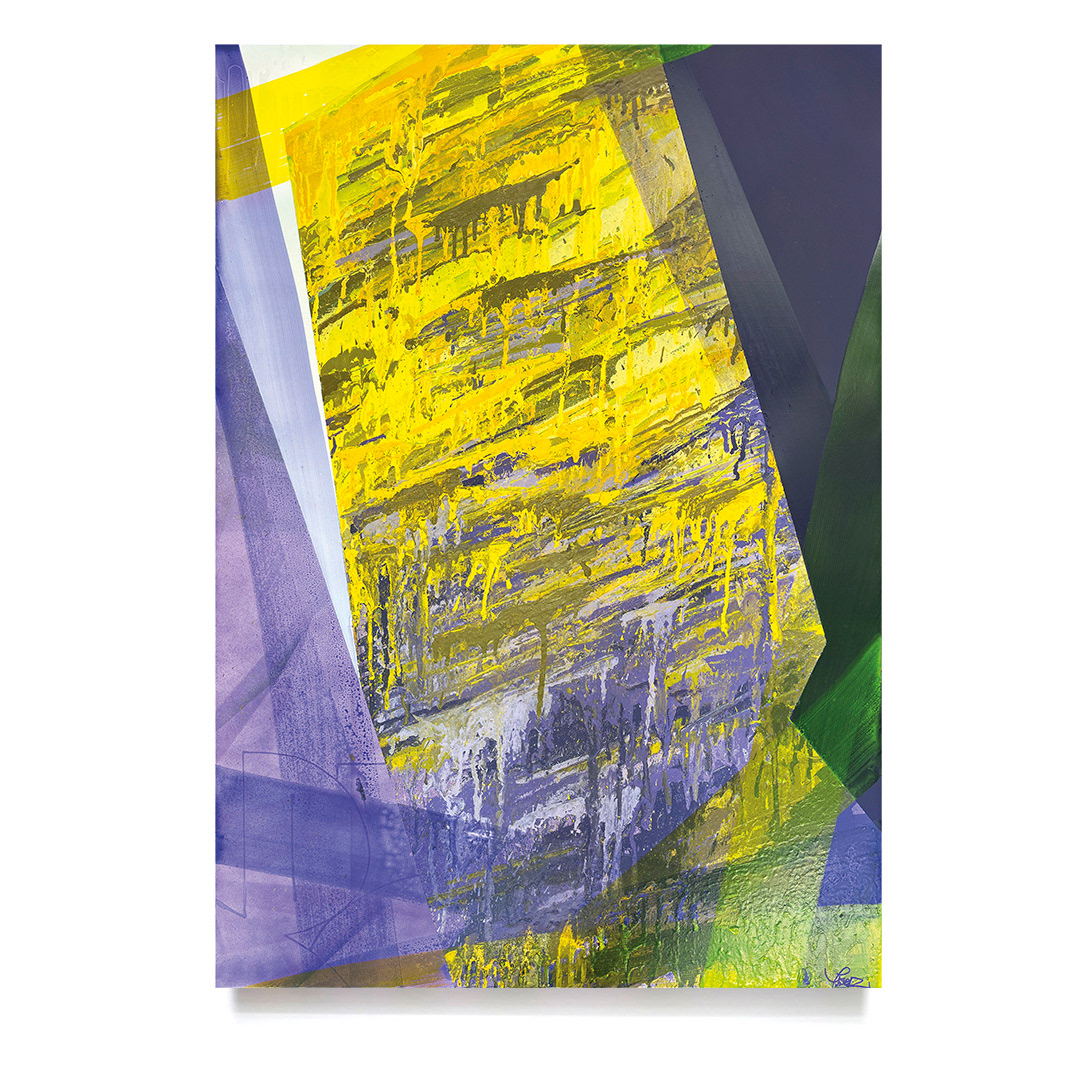
Abuja, 100cm x 70cm, spray paint and acrylic on canvas, 2024
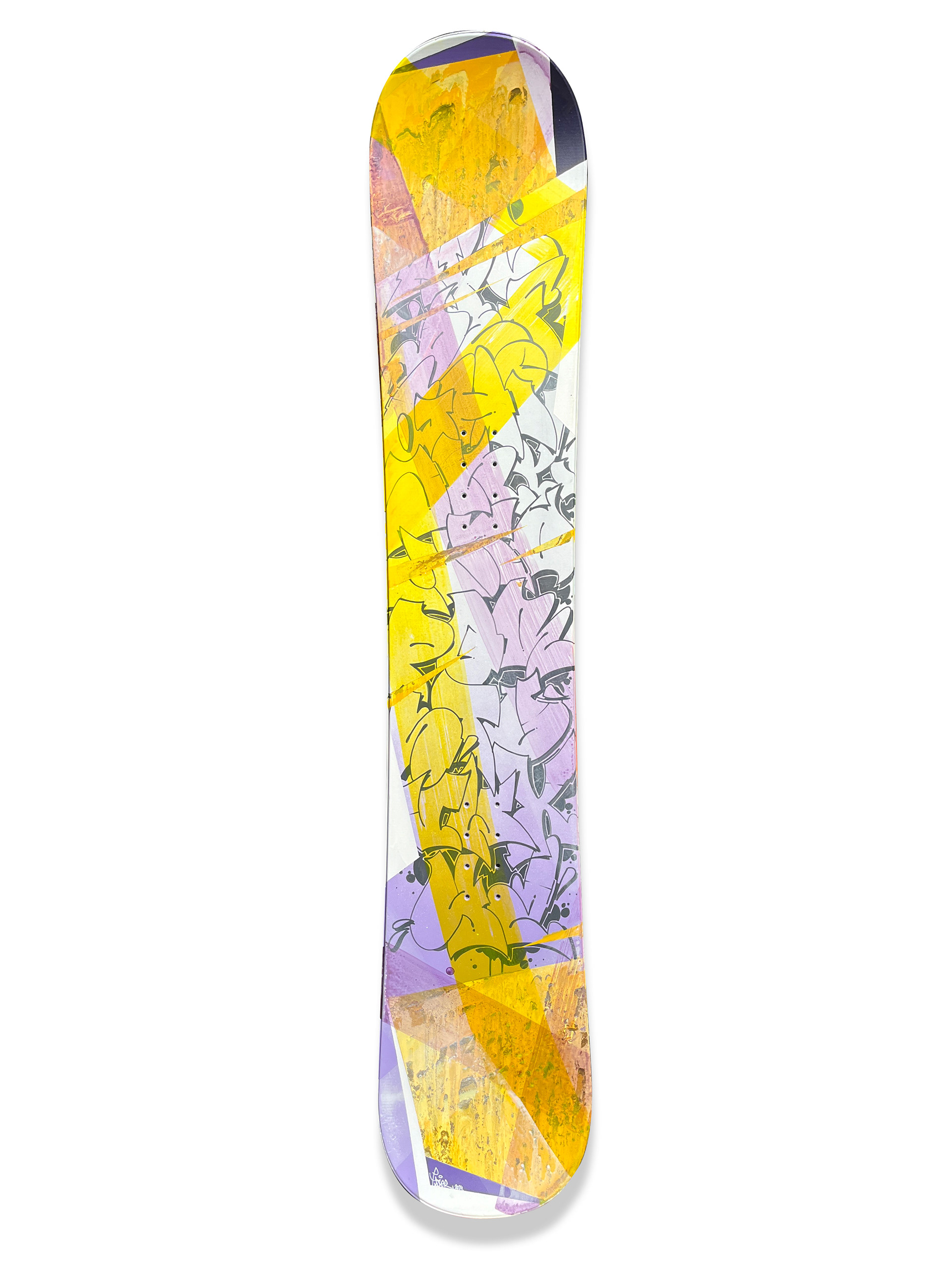
Accra/Nkran,
148cm x 30cm, spray paint, marker and acrylic on snowboard, 2024
148cm x 30cm, spray paint, marker and acrylic on snowboard, 2024

Addis Ababa/Addis Abeba,
80cm x 20cm, spray paint, marker and acrylic on skateboard, 2024
80cm x 20cm, spray paint, marker and acrylic on skateboard, 2024
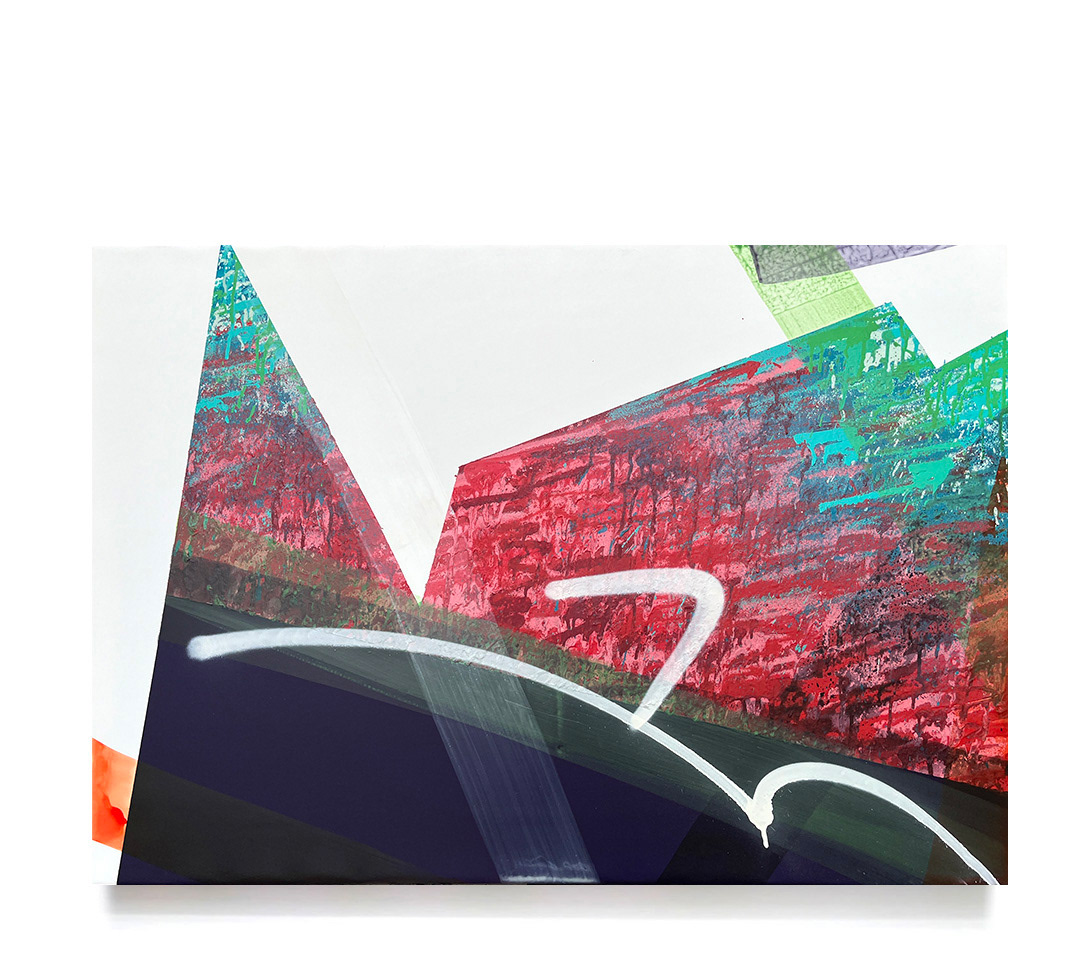
Algier/Dzaya, 70cm x 100cm, spray paint and acrylic on canvas, 2024

Amman/Ammān, 100cm x 70cm, spray paint and acrylic on canvas, 2024
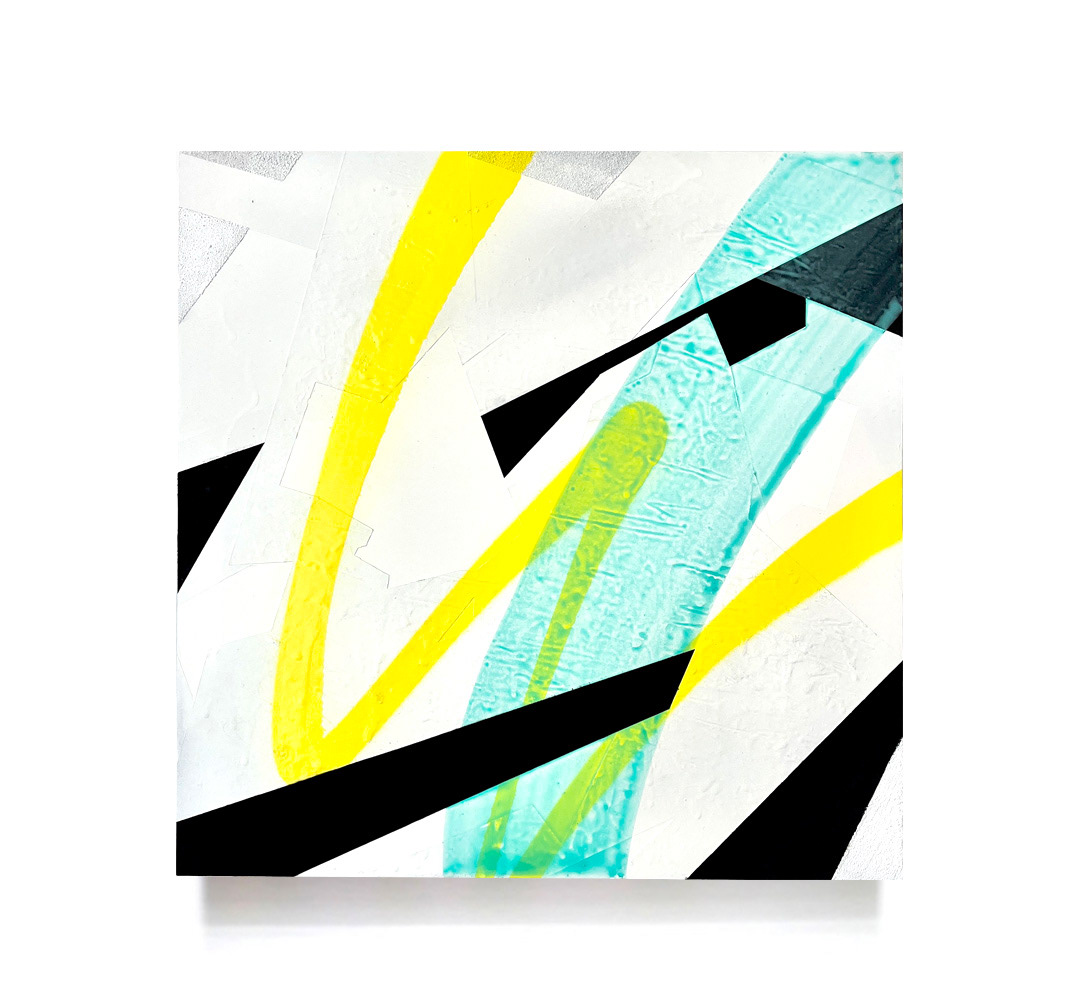
Apia, 40cm x 40cm, spray paint and acrylic on wood, 2025
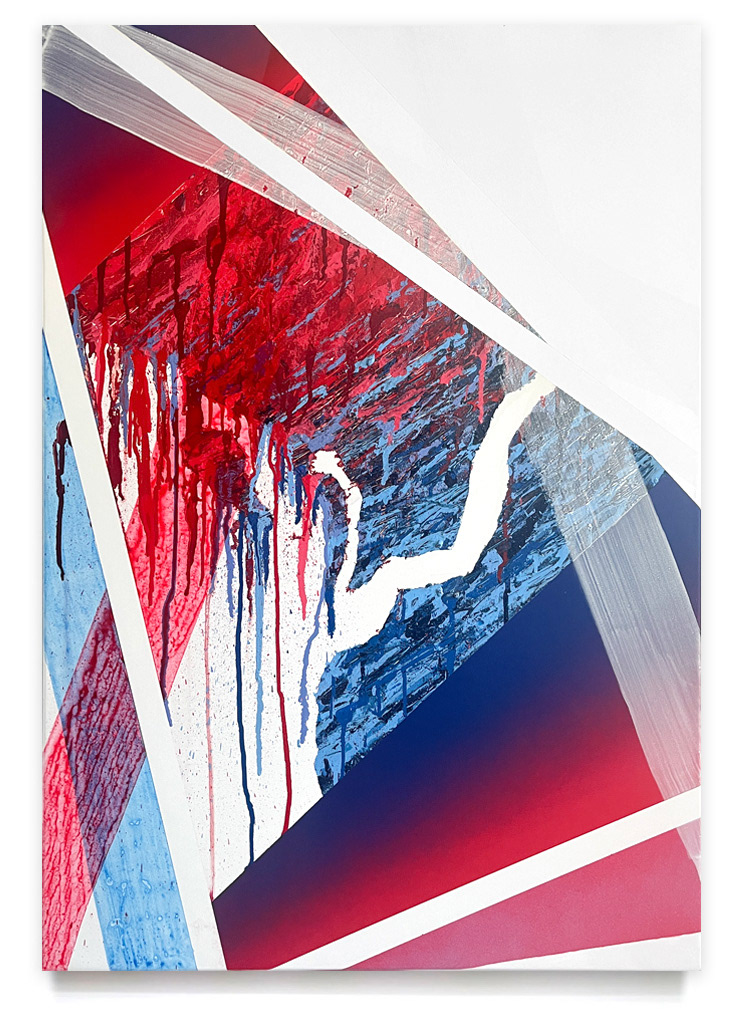
Washington, 100cm x 70cm, spray paint and acrylic on canvas, 2025
The Fusion of Three Paths
My work emerges from the convergence of three intertwined paths, each shaping the visual language, material presence, and spatial thinking of my topographic-expressive painting.
The first path reaches back nearly thirty years into the raw energy of graffiti and Urban Art. I painted on concrete, steel, plaster, wood, plastic, and canvas, always fascinated by how different surfaces respond to color, pressure, and time. Texture, resistance, and material presence became essential elements of my visual vocabulary. For many years, I tried to transfer the essence of graffiti, its pulse and immediacy, onto canvas. I worked with airbrushes, spray cans, markers, and brushes, and even placed canvases on exterior walls to preserve that fleeting energy. Over time, I realized that it was not about translating graffiti as an image, but about carrying forward its process, rhythm, and emotional charge. What remained were contrasts between roughness and smoothness, depth and flatness, tensions that continue to define my work.
The second path is shaped by travel and encounters. Away from tourist routes, I became attentive to social, architectural, and human contrasts. I visited Paris but walked through Clichy-sous-Bois and subway tunnels instead of seeing the Eiffel Tower or the Louvre. I painted walls in Nicaragua, Indonesia, the United States, and many other places, sometimes observed and sometimes unnoticed. Working in public space means accepting unpredictability in weather, surfaces, and improvisation. Each mural becomes a negotiation between control and chance, intention and intuition. These experiences taught me that authenticity often resides in imperfection, and that place is not only something we see, but something we experience physically and emotionally.
The third path is rooted in my background in cartography and geomedia. I have long been drawn to aerial perspectives and to the patterns, lines, and structures that emerge when we zoom out. From above, order and chaos coexist, with rigid grids cutting through organic terrain and cities revealing their hidden geometries. This way of seeing, both analytical and poetic, directly informs my compositions. My paintings evoke abstracted topographies, not as maps or representations, but as emotional and spatial constructions. Layers of paint accumulate like geological strata, while boundaries recall zones, borders, or urban segments without becoming descriptive.
Where these three paths intersect, topographic-expressive painting takes form. The works operate between structure and spontaneity, abstraction and spatial reference. Hard-edged, flat areas suggest topographic order, while within them gestural and pastose layers unfold freely. Cities and landscapes appear not as depictions, but as emotional spaces that remain fragmented, layered, and in constant tension.
The paintings invite viewers to shift between distances. From close proximity, texture, material, and process become visible. From a distance, the larger spatial composition emerges. This movement between immersion and overview is essential to the work and requires time and presence, something no photograph, screen, or algorithm can fully convey.
Each painting carries the name of a world capital. These titles function as metaphors rather than references, suggesting perspective, scale, and the act of zooming out. They invite viewers to imagine places not as fixed coordinates, but as felt spaces shaped by memory, structure, and emotion.